
5 Signs Your Small Business Has Outgrown Its Brand Identity (And How to Fix It)
Every successful business reaches a critical turning point. What began as a lean, agile operation with foundational visuals has likely grown into an established enterprise with refined services, proven results, and higher-value offerings.
However, as a company matures, its visual identity often remains frozen in its early stages.
When your visual presentation no longer mirrors the true caliber of your work, it creates friction for prospective clients. Upgrading your visual strategy isn't about discarding your history—it's about honoring how far your business has come and aligning your brand presence with where you are going next.
1. Your Visuals Reflect Where You Started, Not Where You Are
In the early stages of a business, visual assets are often created quickly to support a initial launch. Whether using temporary logo designs, standard stock templates, or entry-level creative work, the goal was simple: get to market.
As your business scales, those early assets can begin to limit your reach. Leaving outdated visual markers in place can accidentally misrepresent your scale and professionalism.
What this looks like in practice:
Generic visual elements: Stock icons or templates that resemble numerous other brands in your industry.
Technical limitations: Low-resolution files that blur or distort when scaled up for print banners, packaging, or high-definition screens.
Legibility challenges: Color choices or font combinations that lack sufficient contrast on modern mobile devices.
Strategic Solution: Transition to a tailored, comprehensive visual identity system. Custom branding designed specifically around your business goals builds immediate market authority and provides responsive, high-resolution vector files built for every medium.
2. Your Brand Presence Lacks Consistency Across Channels
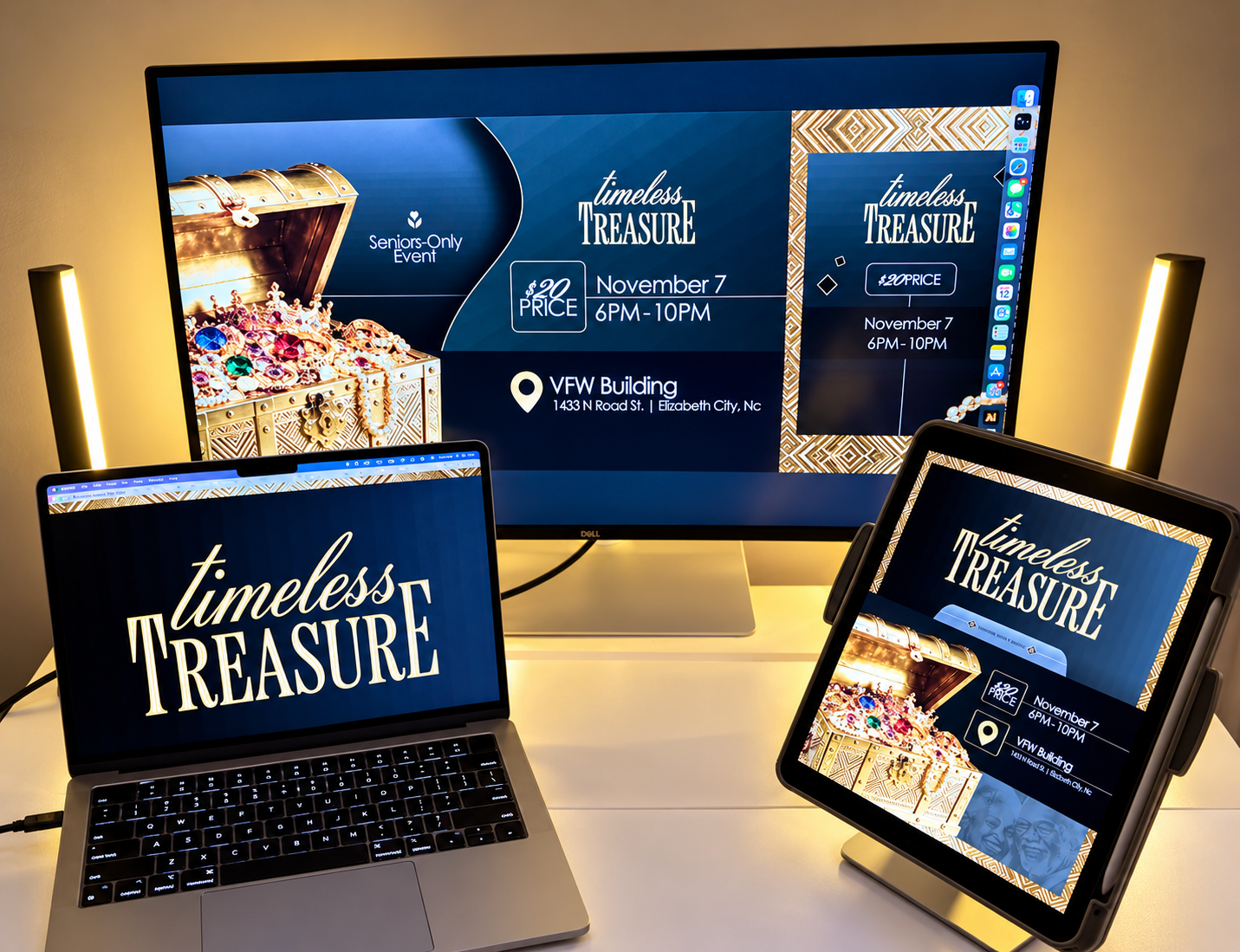
Modern clients interact with your business across multiple touchpoints—from your social channels and website to email newsletters, proposal decks, and physical print collateral.
When your visual identity varies across these touchpoints, it creates a subtle sense of disconnect. Visual consistency is a key component of market credibility; uniform presentation signals reliability and attention to detail.
What this looks like in practice:
Mismatched color palettes (your Instagram posts use neon pink, but your website is pastel blue).
Competing typography where your headings change fonts on every page.
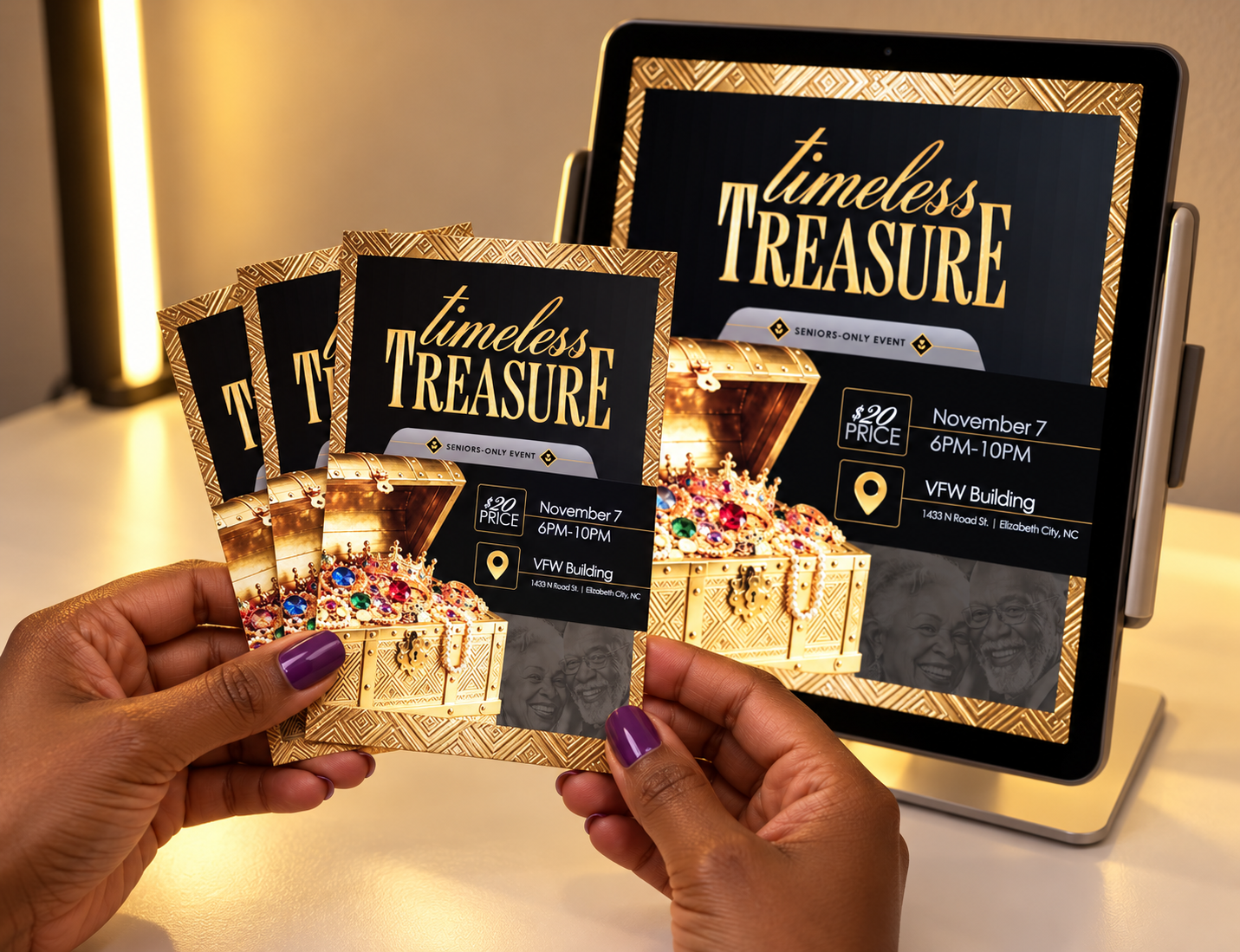
Scattered marketing materials that lack a unified template system, making every flyer or PDF look like an isolated project.
Strategic Solution: Implement a centralized Brand Style Guide. Establishing clear guidelines for typography, color standards (HEX, RGB, CMYK), image usage, and reusable layouts ensures that every client touchpoint reinforces a cohesive brand identity.
3. Your Brand Visuals No Longer Align with Your Target Audience
As your business grows, your ideal client profile often evolves. You may offer higher-tier services, target larger organizational clients, or operate at a higher price point than when you launched.
If your visual identity still reflects an earlier business model, it may fail to connect with the more sophisticated audience you are aiming to reach today.
What this looks like in practice:
Audience mismatch: Your visuals appeal primarily to budget-focused inquiries rather than clients seeking high-value expertise.
Positioning gaps: A noticeable difference between the premium quality of your work and the impression given by your online channels.
Inquiries lacking fit: Prospects reaching out often misunderstand your scope of work or market positioning.
Strategic Solution: Realign your visual identity with your current strategic goals. A targeted brand refresh updates your visual language to reflect your market position and communicate value to your ideal clientele.
4. Your Core Value Proposition Isn't Immediately Clear
When a prospective client lands on your website or reviews your capabilities deck, they should understand what you do and the value you deliver within seconds.
If your brand identity or layout is overly complex, outdated, or cluttered, visitors have to work harder to understand your key offerings. In competitive markets, unclear positioning often leads prospects to seek alternatives.
What this looks like in practice:
High site bounce rates: Visitors leave key landing pages without engaging further or reaching out.
Consultation confusion: Prospective clients frequently ask basic questions about your core offerings during initial discovery calls.
Dense layout structure: Walls of text paired with unstructured imagery that fail to highlight your key differentiators.
Strategic Solution: Streamline your visual hierarchy. Thoughtful graphic design paired with clear structural layouts guides the reader's attention to key messages, portfolio proof, and call-to-action points naturally.
5. You Lack Confidence in Your Branded Assets
Your brand identity should be a strong strategic asset that supports your sales process.
If you feel hesitant to direct key prospects to your website, delay sending out media kits, or feel that your marketing materials don't capture the full capability of your team, your visual identity is working against your growth goals rather than supporting them.
What to Do If Your Brand Is Outdated
If these warning signs sound a little too familiar, it’s likely time for a brand refresh or a complete rebrand. A proper rebrand isn't just slapping a new coat of paint on a logo; it means looking inward at your small business's core values, and looking outward at the real, unmet needs of the people you serve.
Before you reach out to a designer, take some time to think through these 3 high-level questions to prepare for the process:
Who is my ideal customer today vs. when I first started?
What is the single biggest pain point my business solves for them?
What three words do I want people to use when describing my brand’s look and feel?
Transform Your Brand Identity to Reflect Your True Value
At Beasley Brands, we help growing businesses align their visual identity with their true market value. Whether you need custom print collateral, refined digital assets, a distinctive logo, or a complete brand transformation, we bring a strategic, goal-oriented approach to every creative project.
You don't have to navigate a visual transformation alone or guess which strategies will resonate with your audience.
Ready to align your visual identity with your business growth?
